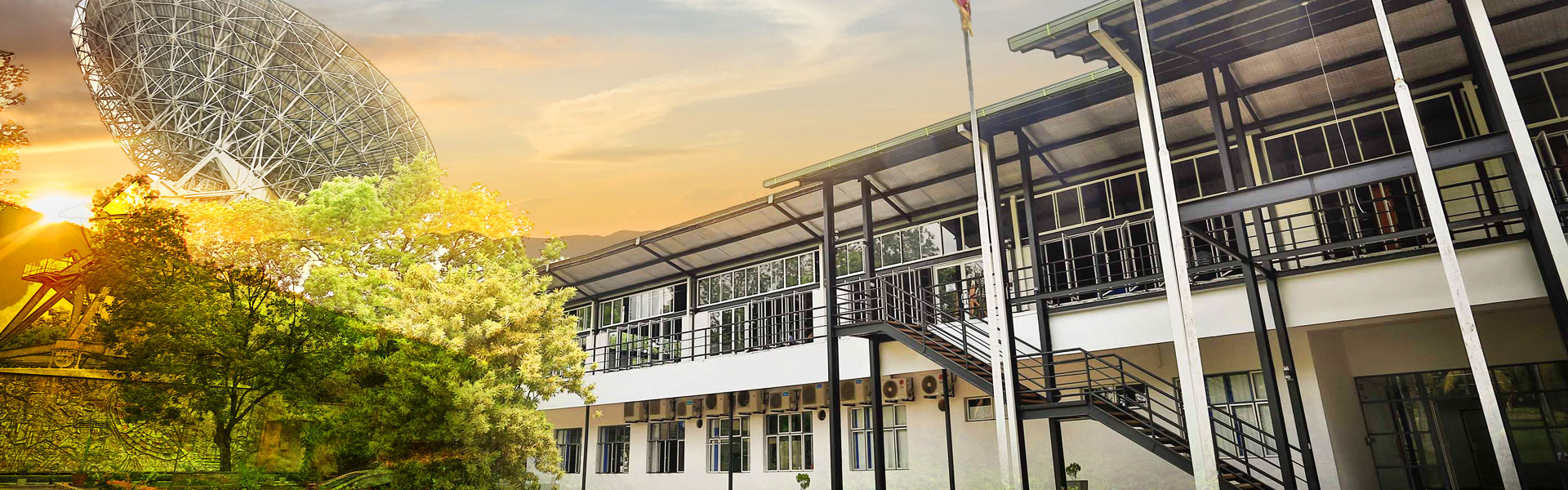

Electrical, Electronic, and Communication Engineering
Covers circuits, power systems, telecommunications, signal processing, embedded systems, IoT, 6G technologies, quantum communications, and semiconductor technologies.
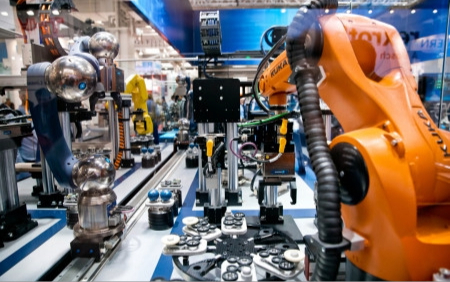
Mechanical, Mechatronics, and Advanced Manufacturing
Encompasses traditional mechanical engineering, robotics, automation, control systems, additive manufacturing, and Industry 4.0 applications.

Computing, Artificial Intelligence, and Data Science
Broad scope covering machine learning, deep learning, computer vision, natural language processing, big data analytics, cloud computing, cybersecurity, and software engineering.

Civil Engineering, Smart Infrastructure, and Sustainable Development
Includes structural engineering, transportation, geotechnics, construction management, smart cities, resilient infrastructure, machine learning applications in civil engineering and green building technologies.

Biomedical, Healthcare, and Life Sciences Engineering
Integrates biomedical devices, medical imaging, bioinformatics, rehabilitation engineering, and intersections with life sciences and healthcare delivery.

Business, Entrepreneurship and Digital Transformation
Focuses on strategic management, entrepreneurship, digital business models, technology adoption, organizational change, and future-readiness in industry.
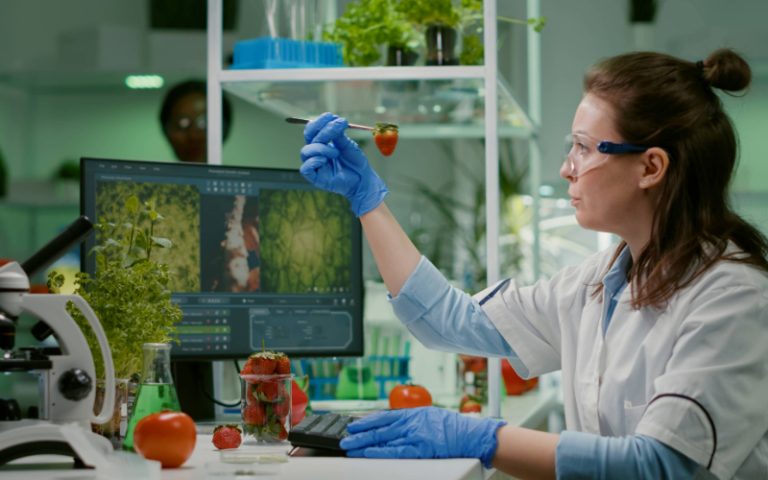
Sustainable Biosystems Technologies
(Agriculture, Environment and Food)
The Sustainable Biosystems Technologies track focuses on the development, application, and innovation of technologies that integrate biological systems with environmental, agricultural, and food production practices to promote sustainability.

Core Sciences and Quantitative Analysis
Encompasses theoretical, experimental, and computational studies in areas such as mathematics, statistics, physics, chemistry, and interdisciplinary sciences.

Fashion, Textile and Clothing Technologies
Encompasses the full spectrum of innovation across the fashion, textile, and clothing industries from traditional manufacturing processes to emerging technologies and sustainable practices.

Social Sciences, Humanities, Education, and Creative Industries
Encompasses sociology, psychology, economics, policy studies, education technology, cultural studies, and creative fields including design and media.